
They sit above the translation layer and don't need to know which engine is underneath.
In development
Ships inside Bourbon 26
FEX on Apple Silicon
Windows games on a Mac, without Rosetta.
Ferrum is a native macOS x86-64 translation layer. It turns a Windows game's Intel instructions into ARM64 as the game runs, answers its Windows requests through Wine, and hands its graphics to Metal — no Rosetta, no virtual machine, no Windows licence.
2,624 automated checks
Native ARM64
No VM
No Windows licence
Not Rosetta.Rosetta translates Intel Mac apps and is being retired. Ferrum exists so that retirement isn't the end of Windows gaming on a Mac.
Not a virtual machine.Nothing boots Windows. No second operating system, no gigabytes of disk set aside for one.
Not a Windows licence.Wine reimplements the Windows interfaces from scratch. You need the games you own and nothing else.
The problem
Almost every Windows-on-Mac setup leans on Rosetta.
Apple is retiring Rosetta, the piece of macOS that lets Intel code run on Apple Silicon. Bourbon's Windows path today runs x86-64 Wine under Rosetta 2 — it works, and it will keep working right up until Rosetta does not.
Ferrum replaces the layer underneath: a native ARM64 host, FEX only where a game's x86-64 code actually needs translating, and a macOS-native Windows syscall surface instead of a dependency on someone else's Wine build.
Swapped for native ARM64 plus targeted translation, so the stack keeps standing when Rosetta goes.
There is no ship date. When a game runs end to end it will be said plainly, with what was tested and what wasn't.
How it works
Four translations, stacked.
People say "emulator" and picture one program pretending to be a computer. What's actually happening is four independent translations — and a game assumes all four are consistent with each other, at speed, forever.
This is the part Ferrum inherits from FEX and takes to macOS.
No Microsoft code and no Windows licence — Wine is why any of this is legal.
DirectX 12 goes through vkd3d-proton. Carrying those calls across intact is most of the work.
Frames arrive through a genuine swapchain; audio plays through CoreAudio.
Real captures
A real game, booting on the engine.
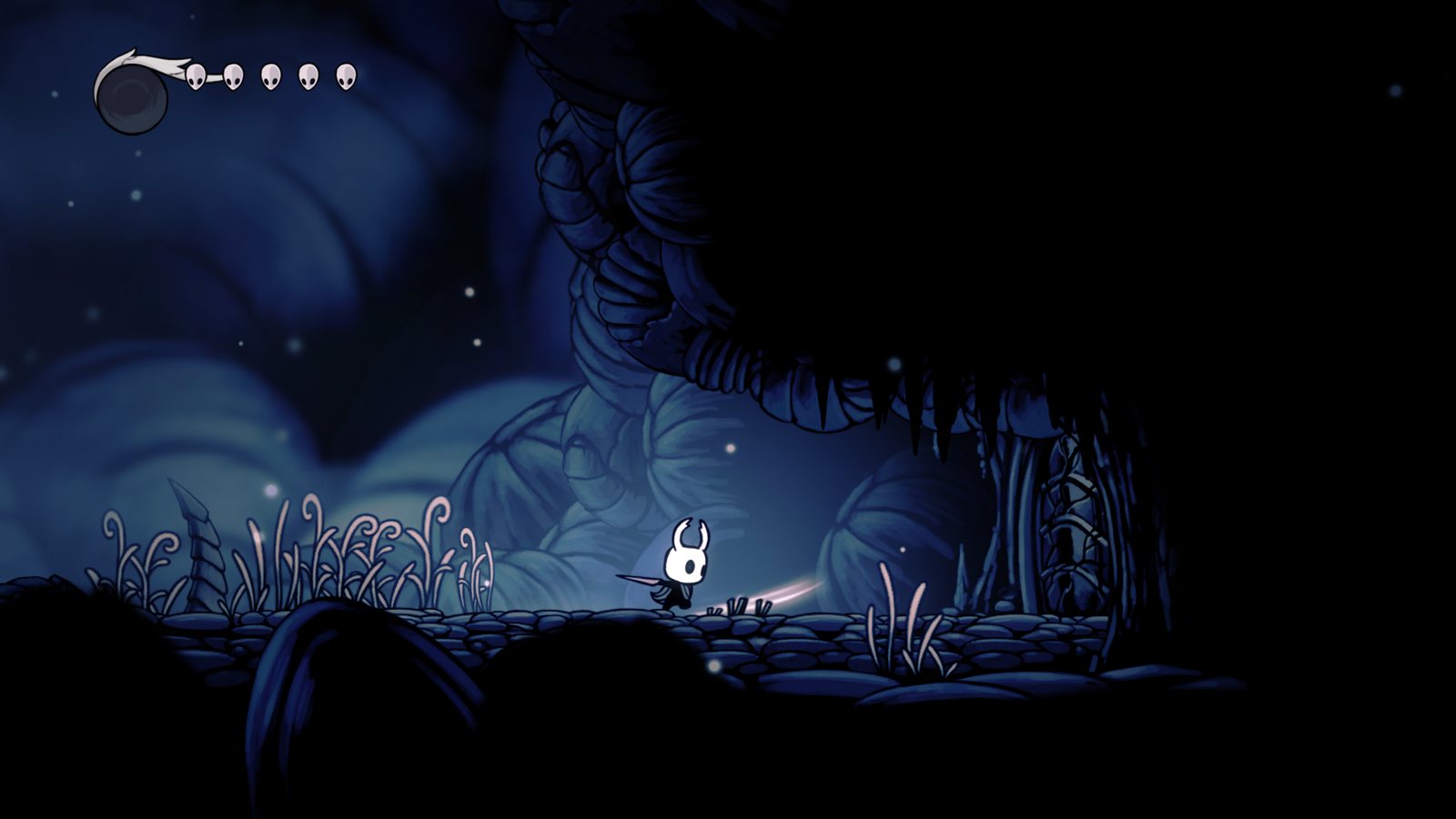
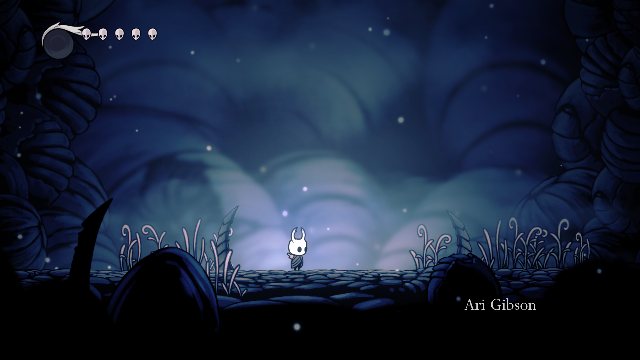
Ferrum boots a real title, renders its menus through DXVK and presents frames at the display's refresh rate. It does not yet carry a player through a game — every run below is scripted automation, not a person playing.
Status — honestly
96% toward playable gameplay. Not done.
Percentages are a judgement with weights fixed in advance, so a number moving means work happened. What isn't a judgement are the checks: 2,624 automated tests, each of which fails if its capability is removed. Numbers are allowed to go down when something turns out less finished than believed.
Working today
- Real Windows programs load and run — loader, C runtime, exceptions, threads — and exit cleanly.
- Real DXVK creates a Direct3D 11 device at feature level 11_0 on the Mac's GPU.
- A GPU-rendered frame reaches a real macOS window through a genuine Vulkan swapchain.
- Windows audio plays through CoreAudio.
- A real title boots, renders its menus and presents at the display's refresh rate.
Not yet
- No game has been played end to end by a person. That is the next milestone that matters.
- Graphics performance under real load hasn't been published; no number will be quoted until it is measured.
- Anti-cheat is out of scope: it depends on files only the vendor can publish.
- There is no public build yet. Ferrum will ship inside Bourbon 26.
- Windows programs run 100%
- Vulkan graphics bridge 100%
- Sound 100%
- Shader stutter 100%
- Cutscene video 100%
- DirectX 11 99%
- DirectX 12 99%
- Game windows and input 99%
- 32-bit games 99%
- Controllers 97%
- Older DirectX versions 90%
Selected areas from the fifteen-area chart. Every number links to what earned it in the plain-English progress log.
Sealed three-way benchmark · 2026-08-24
Head to head with Rosetta.
One Windows executable, 34 CPU kernels, three routes on the same Apple M5: Ferrum's direct driver, CrossOver Preview's ARM64 host with FEX, and the same CrossOver build's x86-64 host under Rosetta 2. Six fresh processes per route, digest-sealed evidence.
24first places — tied with Rosetta for the most
5last places — the fewest of the three routes
34/34kernels executed on every route, zero skips
≈3.2×native CPU cost on workloads shaped like a real frame
What this is and isn't: a CPU-translation microbenchmark, not a whole-game frame rate. It doesn't measure Metal, Direct3D, shaders, audio or input. Read the full report.
Direction · August 2026
A self-managing, all-in-one compatibility engine.
Wine's host side stays native ARM64, FEX translates only the Windows x86 and x64 code that needs it, and the graphics path is chosen per API and per title instead of forcing everything through one backend. The package carries a complete offline open-source baseline; optional components are fetched only from authorised origins with exact versions, verified signatures and rollback.
This is the selected architecture and delivery policy — not a claim that all of it has shipped.
FEX-Emu · MIT
Wine · LGPL
DXVK · zlib
MoltenVK · Apache-2.0
vkd3d-proton
CoreAudio
Metal
Isolated from other Wine installs
No Homebrew in the runtime
Why "Ferrum"?
Element 26, built in 2026, for Bourbon 26.
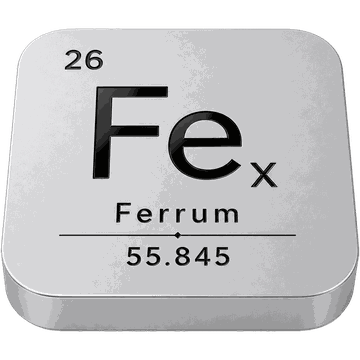
Ferrum is Latin for iron, symbol Fe. Add the subscript x and you get FEX, the translation layer underneath — and in a chemical formula that subscript means an unspecified quantity, which is about right for something that translates an unknown amount of somebody else's code.
Iron carries 26 protons, and Proton is the Wine-and-DXVK stack that made the Steam Deck work. This corner of software runs on drinks — Wine, Whisky, Bourbon. Ferrum has one hiding in it too.
Questions people actually ask
FAQ
Will my games work?
Not yet — not any of them, end to end. Ferrum can create a Direct3D 11 device and put a rendered frame in a real Mac window, which are the two hardest structural pieces, but no full game has been driven from launch to gameplay by a person. For playing Windows games today, use Bourbon 26.
Do I need a Windows licence?
No. Ferrum never runs Windows. The Windows interfaces come from Wine, which reimplements them without Microsoft code.
Is this legal?
Yes. Wine has done this in the open for thirty years, and writing a compatible implementation rather than copying one is well established. Ferrum adds a translation layer on top; it doesn't change the legal shape of it.
How is this different from Whisky, CrossOver or the Game Porting Toolkit?
They solve overlapping problems and they're good at it. Several existing setups lean on Rosetta to run the Intel parts; Ferrum's reason for existing is not to need it. Ferrum is the engine, not an app — the app is Bourbon.
Is Ferrum open source?
No. Ferrum is proprietary. The public GitHub repository holds documentation only; there is no public release yet. The code it builds on keeps its own licences: FEX-Emu stays MIT for everyone and upstream is never pushed to, Wine stays LGPL and is loaded rather than modified, DXVK is zlib and MoltenVK is Apache-2.0.
How do I get it?
Ferrum will ship as an integrated part of Bourbon 26 — nothing extra to buy or sign. For use outside Bourbon, redistribution or embedding, ask about commercial licensing at contact@mikethetech.com.
Where Ferrum lands
The engine is Ferrum. The app is Bourbon.
Bourbon 26 installs and drives the whole Windows-gaming stack on Apple Silicon today — one button, no Terminal. Ferrum is the engine it's growing into.